

Electricians in the UK
Electricians in the UK are in demand and make a good living. The amount they're paid by electrical contractors differs by region.
electricians uk need to invest in the next generation of electricians due to the lack of skilled workers. Before hiring an electrician it is essential to verify their credentials.
Qualifications
Electricians play a vital role of the construction industry. They are accountable for the installation and maintenance of electrical wiring and equipment. They must possess various skills and qualifications.
They should have a thorough understanding of technical drawings, wiring diagrams, and plans for construction, as well as being practical and skilled in solving issues. They should be aware of safety and health issues to ensure everyone is secure at work.
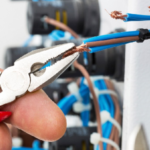
Depending on where uk electrician reside, your career as an electrical contractor can be very lucrative and rewarding. This is a field that can provide a wide variety of opportunities for employment, from small domestic jobs to large infrastructure-based projects.
The qualifications of electricians are mainly gained through education and training. This could be done through an apprenticeship or vocational course, or a formal training program such as a school or training center.
Apprenticeships are among the most sought-after routes to the profession. It involves on the job training, classroom education and technical onsite assessment. This is a standard method to become an electrician and it has been widely appreciated by the industry.
electricians uk could last anywhere between 3 and 4 years. Under the supervision by an experienced electrician, you will gain experience on the job.
The qualification you'll receive is an NVQ or Level 3 Diploma in the field you select. This is typically the result of an apprenticeship. However, it can also be achieved through an independent training company.
There are also a number of stand-alone certifications however they are focused on professional development rather than to be used as qualifications to get you started in the industry. The certificates include the BS7671 (IETWiring Regulations), the Certificate in Fundamental Inspection, and the Certificate in the Certificate of Electrical Installations.
These are great qualifications however they do not show the fundamental knowledge and skills required by the electrotechnical industry. All new applicants to the electrotechnical profession must have an apprenticeship or the Level 3 Electrotechnical qualification.
Job outlook
Electricians are employed in a variety sectors, including the construction industry. They are responsible for installing repair, maintaining, and maintenance of electrical wiring in homes, businesses, and commercial buildings. They might also be involved in power generation and power stations, as well as working with substations and substations.
Most electricians work for companies however, you can also be self-employed and establish your own business. This is a fantastic way to be in control of your own time and choose your own hours and pricing strategies. You can also specialize in one area of electrical work , such as data cabling, or installing solar energy panels.
There are two types to pick from for electricians: professional certification degrees, apprenticeships, and professional certification. Both provide both theoretical and practical training that will allow you to succeed in this field.
Apprenticeships are the most common way to become a professional electrician. It can also be the best way to learn the skills you require. It will involve on-the-job training alongside other electricians who are qualified and is monitored by the Scottish Joint Industry Board (SJIB).
Once you've completed your training, you are able to apply for certifications as an approved electrician from the SJIB. You can progress to higher-level jobs within your workplace or on your own with experience.
You will be responsible for making sure that all electrical installations comply with UK safety standards and building regulations. This is a difficult and demanding job so you must be prepared to work hard and be active.
With a dearth of qualified electricians in the UK This is a great career option. This is due to the rising demand for modern technology and the need for the aging electrical infrastructures to be upgraded.
This job can be extremely demanding,, so it is crucial to take into consideration your physical and mental health when deciding on a career. This could mean regular breaks to recharge , as well as protective gear such as hard hats.
You'll be active for long periods as an electrician. uk electricians will differ depending on what type of work you do. You may have to travel from one area to another, and your job duties might involve working in wet, dirty or cold conditions.
Work environment
Electricians are skilled in the installation testing, maintenance and repair of electrical wiring and components in many industries. They are an integral component of the engineering, construction and manufacturing sectors. They can also be employed in the public sector.
In this job, you'll be working with hand tools, power tools and sensitive equipment to ensure that the work is safe for everyone involved. You'll need to read and interpret designs including electrical circuit diagrams and manufacturers' specifications. You should also have excellent communication skills and the ability to problem solve.
You could start as a student electrician and work with an employer to gain experience. This is a great opportunity to get a job as an apprentice and develop the skills you need before going to college.
A large number of apprenticeships in UK involve on-the-job training alongside the time spent in college. It usually lasts for four years and includes work experience as well as day release. The next step is to obtain a City & Guilds (2330), Electrotechnical Technology, or an NVQ/SVQ Level 3 Electrical Installation.
electricians in the uk are often faced with challenges due to the fact that they work outside or in tight space. They also need to travel for some tasks. It could be damp, cold or filthy and you may have to be available on the last minute.
Safety of electrical equipment is a major concern for employers, and you'll be responsible for making sure that your business is in compliance with the Electricity at Work regulations. Also, you'll need to ensure that your employees and customers are safe from any risk that could be associated with electricity.
Regular training is required and you will need to continue your professional development. Also, you must be aware of new safety procedures and changes to the electrical code. This can mean attending workshops or completing an official course.
You can also become an electrical engineer who develops and designs new electrical systems for businesses. This can be a more demanding job, since it requires you to develop innovative solutions to problems.
Safety
Both landlords and homeowners and businesses, are concerned about electrical safety. Electrical problems are the leading cause of death or injury for more than 70 people every year.
As electricians, you have to ensure your work complies with UK regulations and take safety into consideration at every step of the task. You must wear PPE and conduct risk assessments prior to working at any location.
You must also make sure that your employees have been trained on safe work procedures when working with electricity and that they are using the appropriate equipment to avoid injuries or accidents. You must also make sure that your work is compliant with building regulations.
The UK is a great location to work as an electrician because of the high quality of safety standards that are in place. There are many workplace accidents that could result in serious injury or even death.
One of the main causes of death is contact with overhead power lines. This could be due to the lack of education or awareness by those working in the vicinity.
The wiring within your business and home can also be a danger. It is recommended to examine your electrics by a qualified electrician on a regular basis. This will assist you to detect and fix any problems and ensure that your home is compliant with electrical safety standards in the UK.
An experienced electrician will conduct a safety audit and provide you with an electrical installation condition report (EICR). This includes ensuring your home is in compliance with all health and safety standards for electricity.
In Scotland private landlords are required to have their homes examined every five years by an electrician. This will ensure that your tenants are safe from electrical fires and shocks.
The Wiring Regulations 18th edition came into force in January of 2019 It is therefore important to ensure that your installations are current with the most current legislation. Your installation that was installed prior to the new regulations being in force will not have to have its status changed immediately. It is therefore a good idea to review your existing report to see what changes have been implemented and to assess the way your home has been used since you had your electrical installation examined.